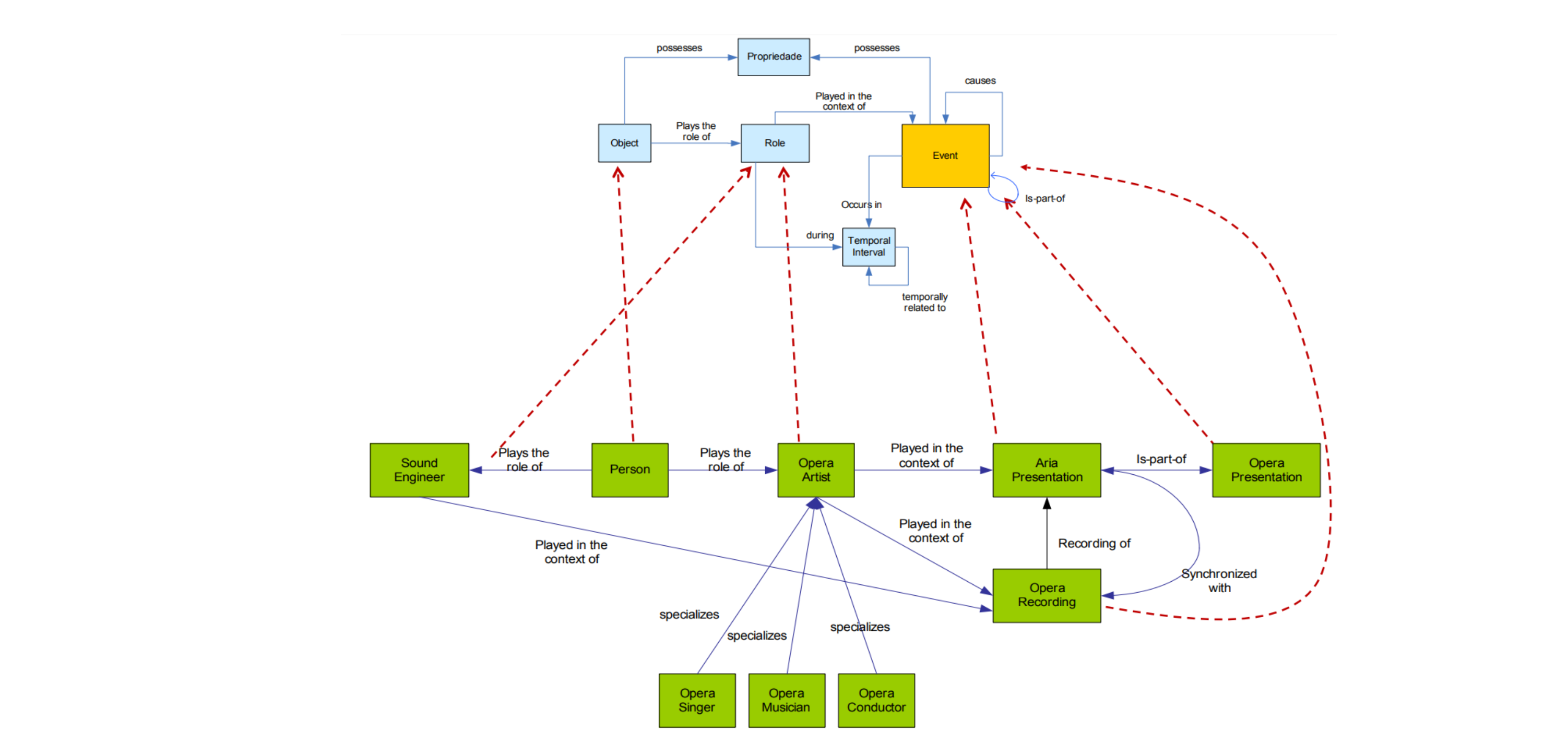
ontology
An ontology is a formal way of organizing and defining knowledge about a particular domain. It describes the entities (things) in that domain, the relationships between those entities, and the rules or properties that apply to them. Essentially, it’s like a blueprint or map that helps computers and people understand the structure of a particular subject area and how the elements within it are connected.
For example, in a medical domain:
- Entities: Doctor, Patient, Treatment.
- Relationships: A doctor treats a patient, a patient receives treatment.
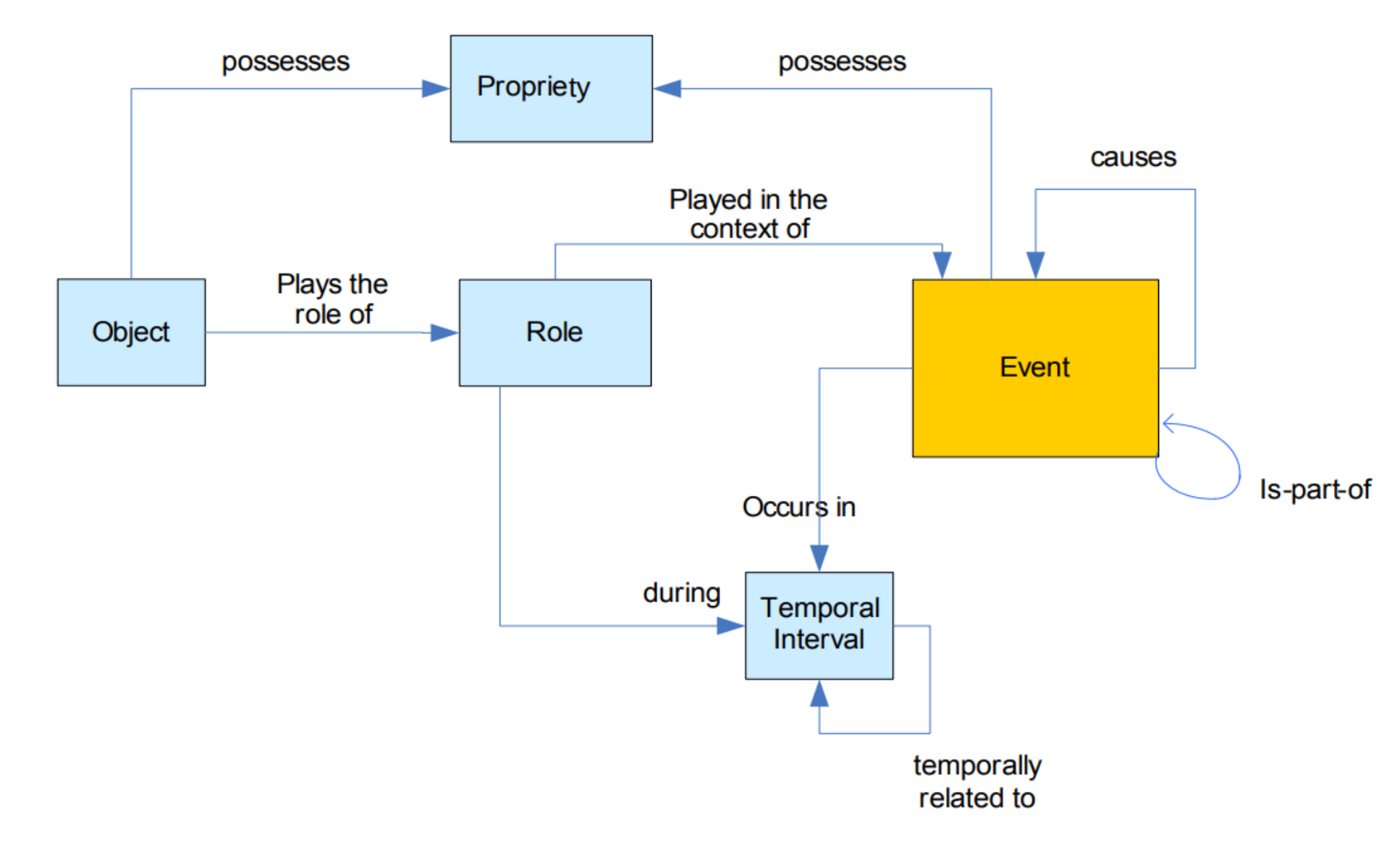
Upper Ontology (also Foundational Ontology): Universal, general abstract ontologies that define domain- and application-independent concepts and relationships (e.g., Unified Foundational Ontology — UFO), which can be used to precisely capture and communicate about specific domains.
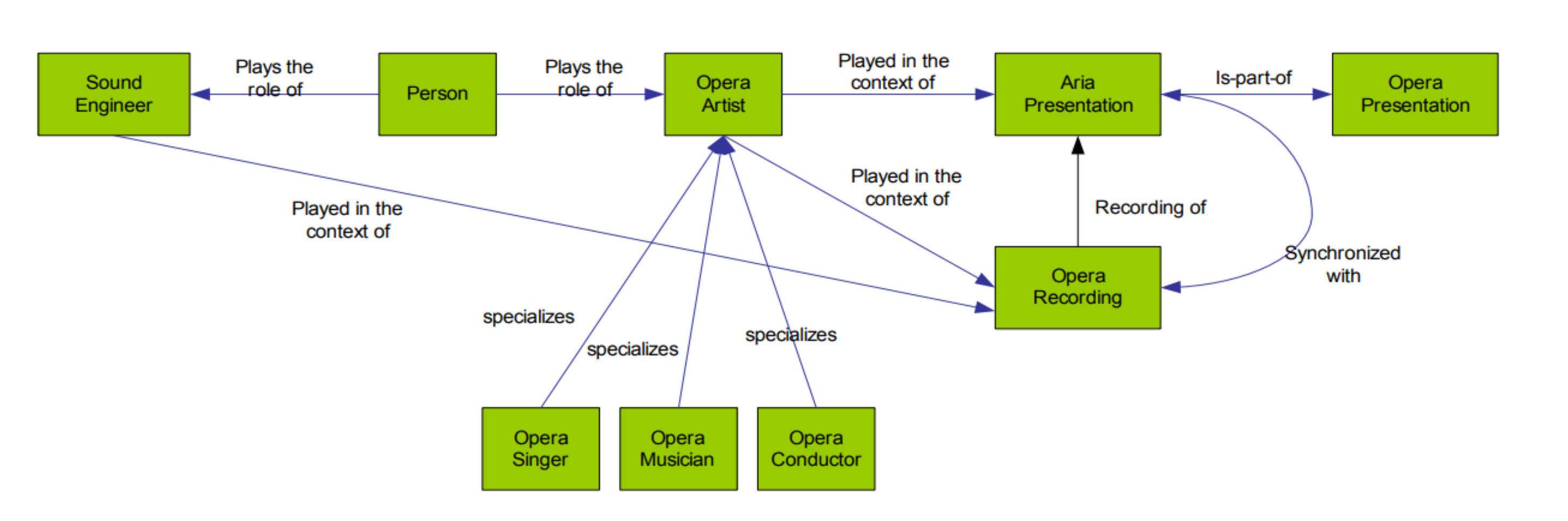
Domain Ontologies: Ontologies that describe a particular, specific domain (area) (e.g., oil extraction).
- Domain ontologies that have a key (general) significance for a particular industry are usually referred to as Core Ontologies or Reference Ontologies (e.g., Legal Core Ontology).
You can use upper ontology to create domain specific ontologies