OntoUML
OntoUML is a language for Ontology-driven conceptual modelling. It is built as a [UML] extension based on the UFO.
It integrates formal ontology principles into UML to create more semantically precise and semantically rich models.
OntoUML vs UML
| Aspect | UML | OntoUML |
| ——————– | ——————————————— | ———————————————————– |
| Purpose | General-purpose software and system modeling | Ontology-driven conceptual modeling with semantic precision |
| Foundation | Primarily based on software engineering needs | Rooted in formal ontology and philosophical concepts |
| Stereotypes | Limited to standard UML stereotypes | Introduces ontological stereotypes like Kind, Role, etc. |
| Semantic Depth | Focuses on structural and behavioral aspects | Emphasizes ontological distinctions and semantic clarity |
| Type Hierarchies | Supports generalization/specialization | Distinguishes between rigid and anti-rigid categories |
Example
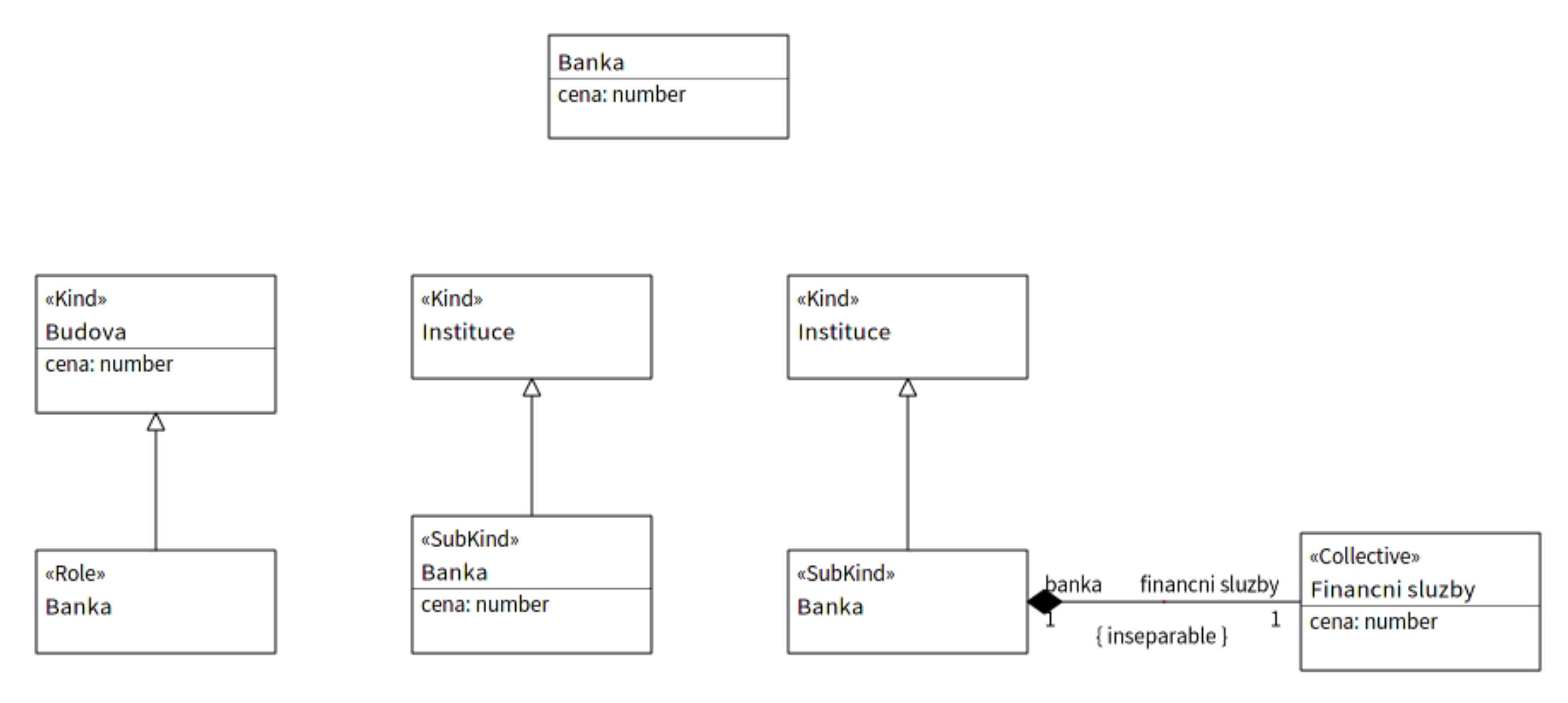
Classes and atributtes
- Classes in OntoUML are based on the UML concept of classes, which describe the shared properties of certain entities, referred to as class instances.
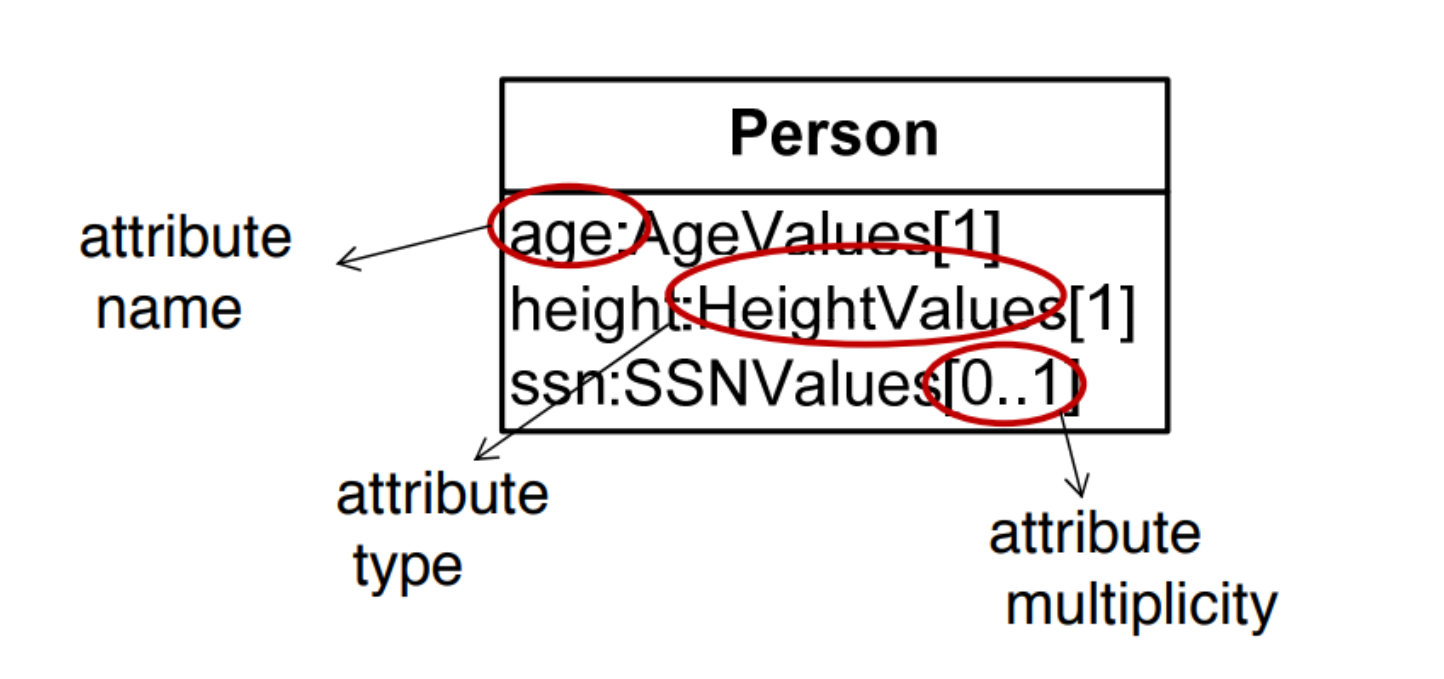
- Class instances contain values of variables defined by their class, in accordance with the attribute’s characteristics, such as type and multiplicity.
- Attributes represent (more or less intrinsic) properties shared by the instances of a class.
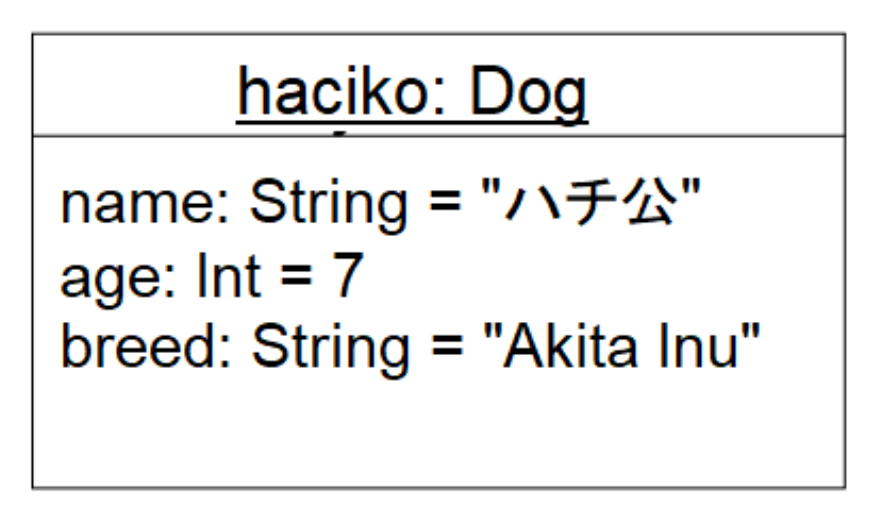
Instances
Instances of classes have specific values of attributtes. It is called instance-level modelling
They are used for validation, simulation and prototyping.
Relation between instances and classes
In OntoUML, there can be more complex relationships between classes and instances (unlike in UML strict 1:1). For example, an instance might belong to multiple classes simultaneously, or the classification might change over time.
Class 1: Person
Attributes: name, age

Class 2: Employee
Attributes: job title, salary

Instance: [name: "Alice", age: 30, job title: "Engineer", salary: 60,000]